
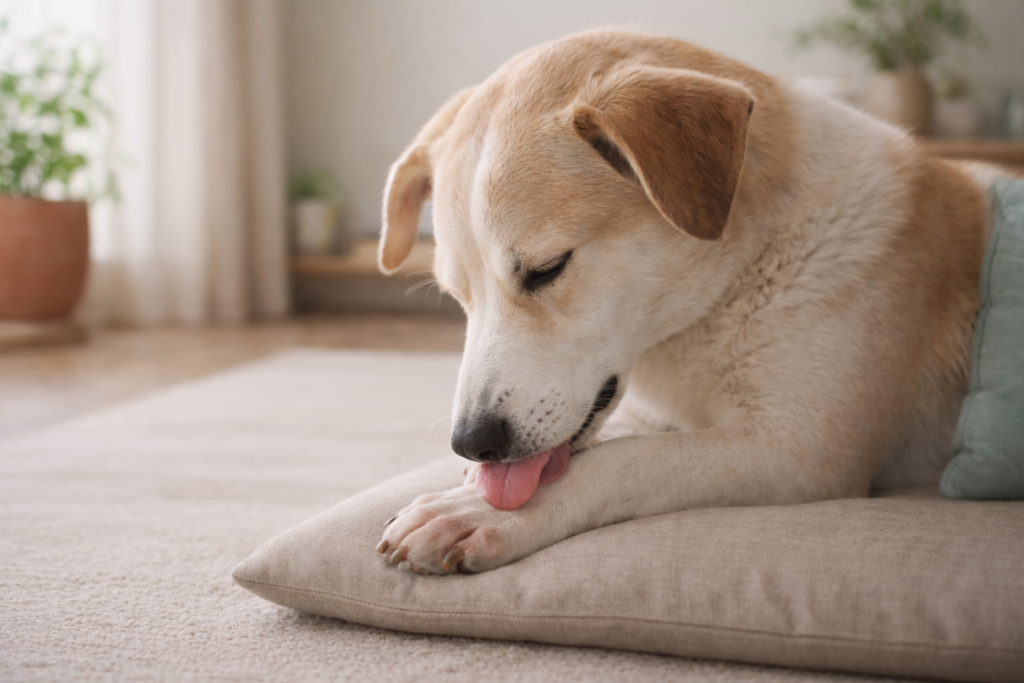
If your dog is constantly scratching, licking their paws, or dealing with recurring ear issues, you may be noticing early dog yeast infection symptoms without realizing it. Many pet parents begin by asking why their dog is so itchy, but what often goes unrecognized is that yeast infections are not just surface-level skin problems — they are typically signs of a deeper internal imbalance within the body.
Yeast, or candida, naturally exists in the body in small amounts. When the internal environment is balanced, it remains controlled and harmless. However, when the immune system becomes weakened or the internal terrain shifts, yeast can begin to overgrow and create widespread irritation, inflammation, and discomfort that often shows up through the skin.
Understanding dog yeast infection symptoms is key to identifying the issue early and preventing it from becoming a chronic pattern. Yeast infections in dogs can present in a variety of ways, and many of the symptoms are often mistaken for simple allergies or skin sensitivities. The key difference is that yeast tends to create persistent, recurring patterns that do not fully resolve with temporary treatments.
Common signs of yeast overgrowth include:
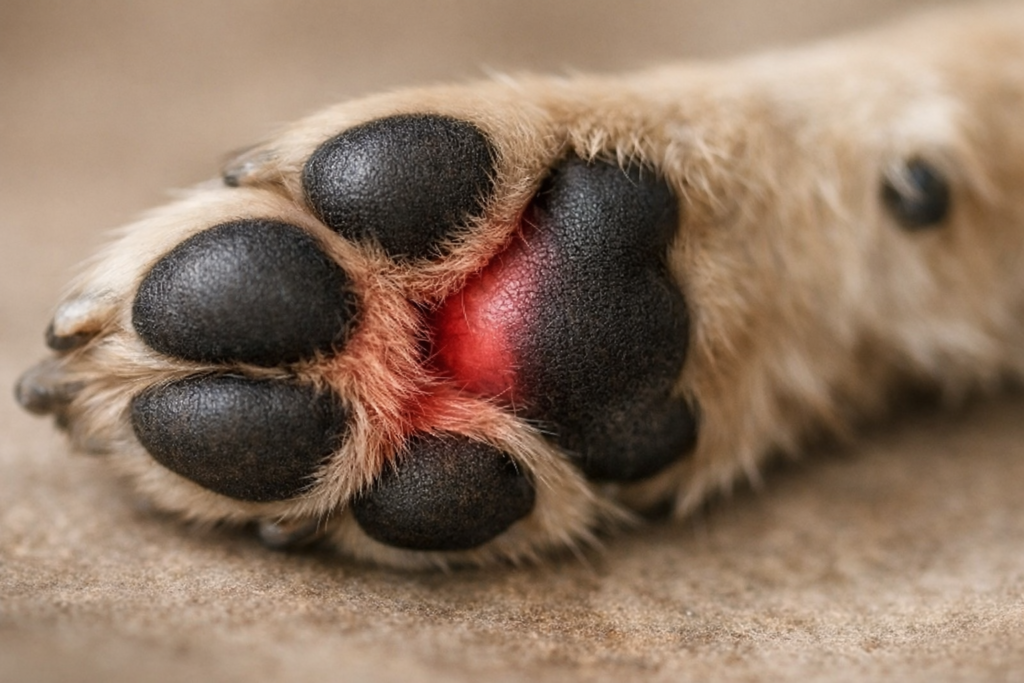
These dog yeast infection symptoms often begin subtly but become more pronounced over time. In many cases, the paws and ears are the first places pet parents notice something is wrong. Dogs may obsessively lick their feet or shake their heads due to ear discomfort. While these symptoms appear localized, they are often outward expressions of a systemic issue developing internally.
Yeast overgrowth does not happen randomly. It occurs when the internal environment of the body shifts in a way that allows yeast to thrive. This is why simply treating the surface symptoms rarely leads to lasting resolution.
Several factors can contribute to this imbalance, including:
When these factors are present, the body becomes a more hospitable environment for yeast to grow. As yeast multiplies, it creates irritation and inflammation that the body attempts to release through the skin, ears, and extremities — which is why dog yeast infection symptoms often appear in these areas first.
One of the most frustrating aspects of yeast-related issues is how frequently they return. Treatments may provide temporary relief, but the symptoms often resurface weeks or months later. This cycle can leave pet parents feeling confused and discouraged.
The reason is simple: the root cause has not been addressed.
When only the external symptoms are treated, the internal imbalance remains. The immune system continues to struggle, detox pathways may still be overwhelmed, and the gut environment may still be out of balance. As a result, dog yeast infection symptoms continue to return because the body has not yet regained equilibrium.
Recurring yeast is not just a skin issue — it is a sign the body is out of balance.
If this pattern sounds familiar, you may find this helpful: Why Pets Don’t Heal Naturally

When a dog presents with yeast-related symptoms such as itching, red skin, or ear infections, conventional or allopathic treatment often focuses on eliminating the immediate infection. This may include antifungal medications, antibiotics, medicated shampoos, or steroid-based treatments to reduce inflammation and discomfort.
In many cases, these approaches can provide temporary relief. The itching may subside, the redness may improve, and the infection may appear to clear. However, these treatments often work by suppressing symptoms rather than addressing why the yeast overgrowth developed in the first place.
Antibiotics in particular can further disrupt the gut microbiome, weakening the body’s natural balance and creating an environment where yeast is more likely to return. Over time, this can lead to a cycle of recurring infections, repeated treatments, and increasing sensitivity within the system.
A holistic approach takes a different path. Rather than focusing solely on the surface symptoms, it works to strengthen the body from within — supporting the immune system, restoring balance in the gut microbiome, and gently opening detox pathways so the body can eliminate waste more effectively.
This approach not only helps reduce current symptoms but also creates the conditions needed for long-term stability and resilience.
| Conventional Approach | Holistic Approach (Happy Tails) |
|---|---|
| Focus on eliminating visible infection | Focus on restoring internal balance |
| Use of antibiotics, antifungals, or steroids | Supports immune system and natural defenses |
| Temporary symptom relief | Addresses root cause of imbalance |
| May disrupt gut microbiome further | Supports gut health and microbial balance |
| Symptoms often return | Aims for long-term stability and resilience |
| Reactive approach | Supportive, proactive approach |
Another important consideration for pet parents is the financial impact of repeated treatments versus a more comprehensive, supportive approach.
In real-world scenarios, ongoing veterinary care for chronic skin and yeast-related issues often involves multiple visits, diagnostic testing, and recurring medications — which can add up quickly over time.
| Conventional Veterinary Care | Happy Tails Holistic Approach |
|---|---|
| Initial exam: $75–$150+ per visit | Initial consultation: $175 (comprehensive review) |
| Follow-up visits: $75–$150+ each | Monthly support: $125–$150 (targeted protocols) |
| Blood work & diagnostics: $150–$400+ | Focused on addressing root cause from the start |
| Medications (antibiotics, antifungals, steroids): $50–$200+ per round | Supports immune system and internal balance naturally |
| Recurring treatments due to relapse | Aims for long-term stability and reduced recurrence |
| Total over time: often $500–$1,500+ for chronic cases | Predictable monthly investment with long-term benefit |
A holistic approach focuses on creating lasting change within the body, helping to reduce the need for repeated interventions while supporting overall health and resilience.
If your dog is experiencing recurring yeast issues and you’re ready to address the root cause rather than repeat the cycle, a personalized consultation can help identify the deeper factors contributing to imbalance and create a personalized path forward.
True support for yeast overgrowth requires looking beyond the surface and working with the body as a whole system. This means strengthening the immune system, improving gut health, and supporting the body’s natural detoxification processes.
At the same time, it’s important to provide gentle, supportive care that helps reduce discomfort while deeper healing takes place. This balanced approach allows the body to regain control without being overwhelmed.
Foundational support often includes:
For many pets, addressing dog yeast infection symptoms effectively requires a comprehensive approach such as a Foundational Protocol, which supports the body through deeper levels of healing.
Yeast overgrowth is one of the most common drivers behind chronic itching in dogs, yet it is often overlooked or misidentified. When yeast is involved, the itching is rarely random — it tends to be persistent, focused on specific areas like the paws and ears, and accompanied by other signs of imbalance.
If you’re currently trying to understand your dog’s symptoms more clearly, recognizing dog yeast infection symptoms can be a turning point in addressing the issue at its root rather than continuing to manage surface-level discomfort.
For a broader look at itching and what it may be signaling, read: Why Is My Dog Itching All the Time?
If you suspect yeast may be contributing to your dog’s symptoms, the most effective place to begin is by supporting the foundations of health rather than chasing symptoms individually. Small, consistent changes can create meaningful shifts over time.
The Wise Pet Parent’s Checklist is a simple starting point to help you evaluate your pet’s environment, diet, and overall health picture.
Dog yeast infection symptoms are rarely just skin deep. They are often a reflection of internal imbalance, immune stress, and a body that needs support rather than suppression.
When you begin to understand what the body is communicating, you move from reacting to symptoms… to supporting true healing.