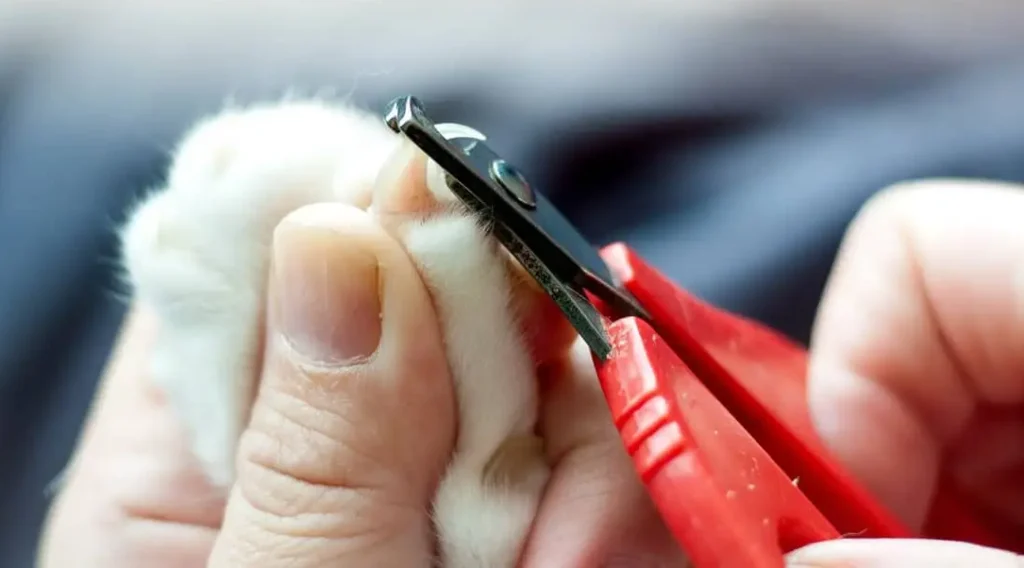
When people ask, “What’s the best way to restrain a cat to trim their nails without getting scratched?” my answer is often surprising:
Don’t focus on restraining.
Focus on relating.
Nail trimming isn’t a procedure to perform. It’s a relationship to build.
Animals are communicating with us in every interaction. Just like a conversation between two people, there is an exchange happening — cues, responses, distance, tone, timing. If someone stepped into your personal space without warning and grabbed your hand, you’d react. Cats are no different.
The art of trimming nails begins with listening.
Your cat is always telling you something.
The First Key: Read the Social Cues
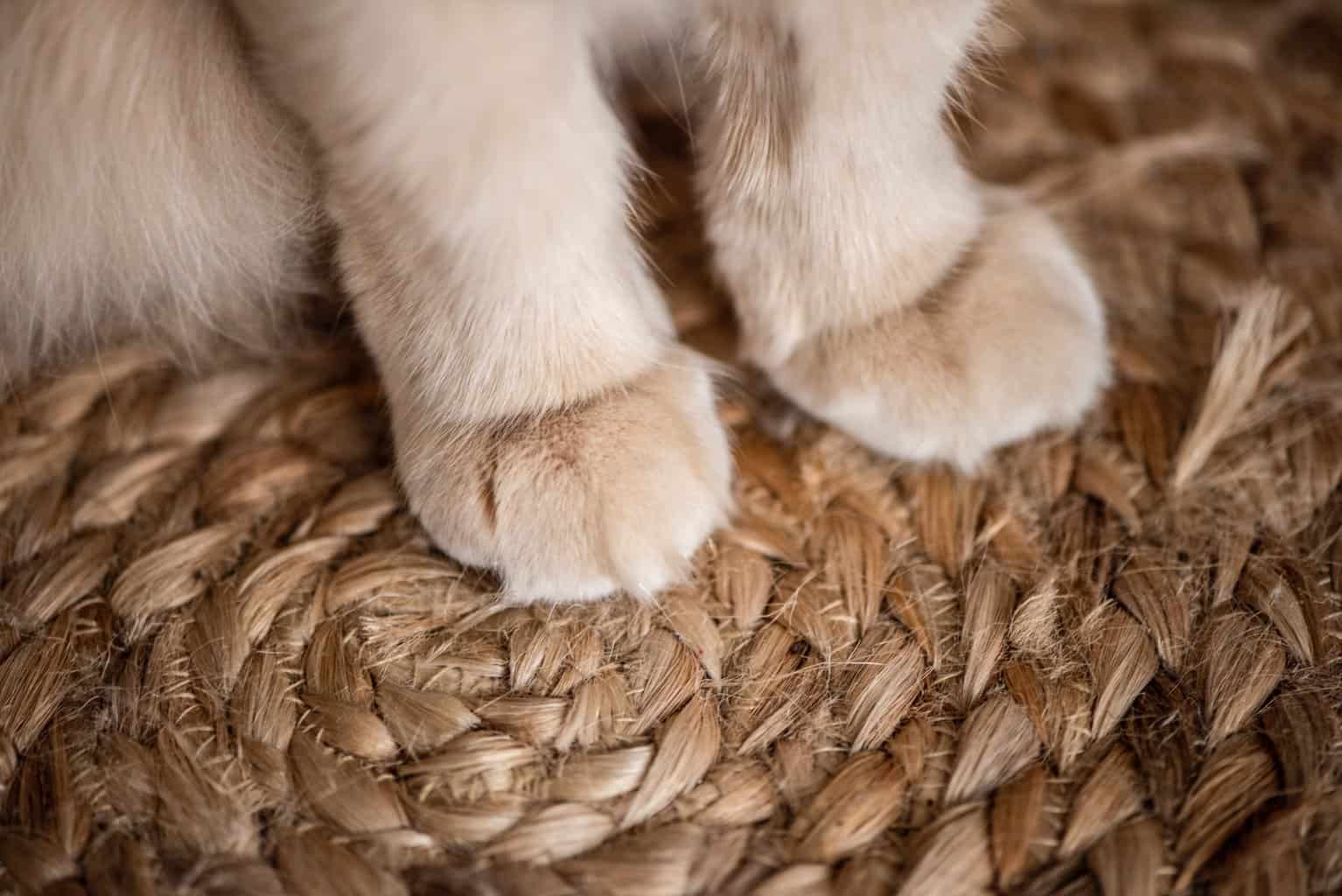
- Ear position
- Tail movement
- Muscle tension
- Breathing
- Eye softness or dilation
These are their words.
When we trim nails without acknowledging their communication, it feels to them like something is being done to them. When we slow down and respond to their cues, it becomes something we are doing together.
That shift changes everything.
The Second Key: Patience
Yes — the word deserves to be spelled out.
P A T I E N C E
Most pet parents struggle here. We’re busy. We want to “get it done.” But cooperation is never forced — it’s earned.
If you allow your cat time to process what you’re asking, you’ll make far more progress than if you rush. In fact, with enough patience, restraint often becomes unnecessary.
Instead of trying to “do” something to your cat, dance with them. Lead gently. Follow when needed. Work as a team.
The Third Key: Handle Paws Frequently (When You’re NOT Clipping)
This is where trust is built.
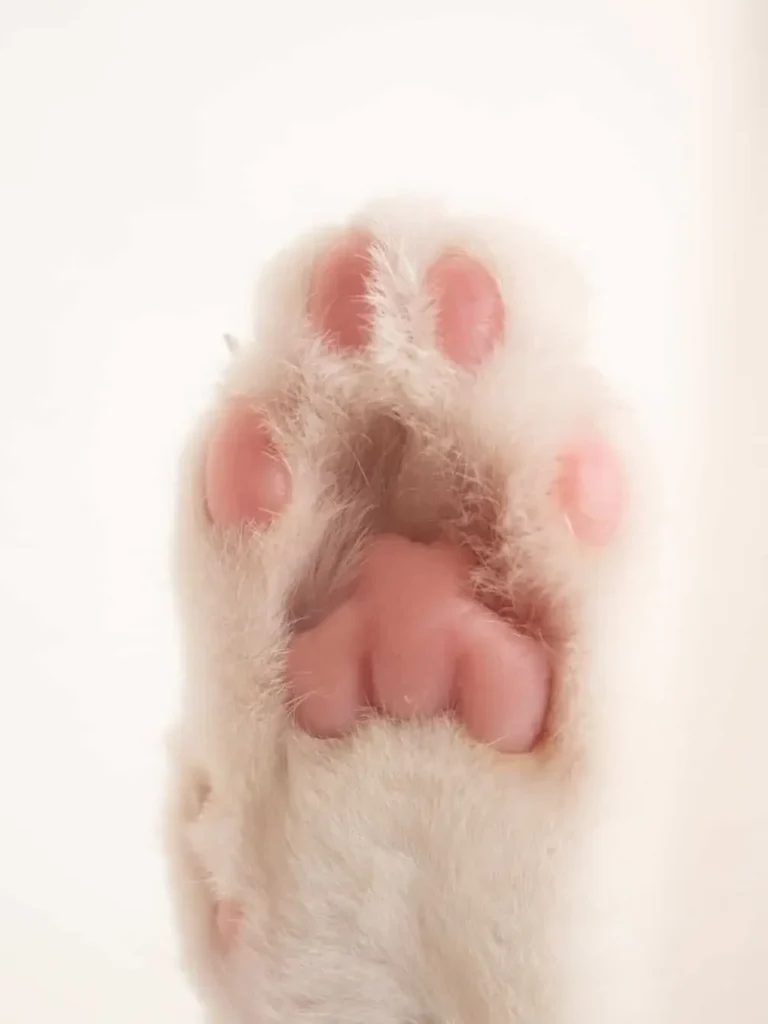
If your cat enjoys cuddling, begin running your hands gently down their legs during relaxed moments. Touch their paws briefly. Hold them for a second. Massage between their toes.
Do this when there is no nail clipper in sight.
At first, they may pull away. That’s okay. Stay consistent. Stay gentle. Over time, they realize there’s nothing to fear. Many cats even begin to enjoy the extra attention.
Trust compounds.
The Fourth Key: Use Just Enough Pressure — Nothing More
Especially with rescued, formerly feral, or sensitive cats, pressure matters.
Many cats have experienced rough handling in shelters or during veterinary procedures. Even when those experiences were necessary and well-intentioned, they can create apprehension around restraint.
Choose a relaxed moment — after a meal or playtime works well. Hold them gently. Apply only the amount of pressure needed to hold the paw securely. No more.
For highly stressed cats, start with one nail only.
- Breathe.
- Clip.
- Pause.
- Wait for calm.
- Then reward.
If they hiss, pin ears, or attempt to flee, finish the nail you’re on — but do not immediately release them during the height of the reaction. Wait for even a brief moment of calm. Then set them down, praise them, and offer a treat.
Timing is everything.
You are teaching them:
“Calm behavior leads to release.”
Reward Good Behavior — Not Fear
If you give a treat immediately after your cat scratches or bites, you unintentionally reinforce that behavior.
Instead, look for even the smallest moment of cooperation — stillness, relaxed muscles, softened eyes — and reward that.
Animals want harmony. When they understand what earns praise and freedom, cooperation increases.
Avoid Clipping the Quick
If your cat has translucent nails, you can see the pink quick inside. Stay well clear of it.
As a rule of thumb, clip only about one quarter of the nail. Yes, you’ll need to trim more often. But preserving trust is more important than removing extra length.
For cats with black nails, trim conservatively.
Keep styptic powder on hand just in case. Accidents happen — being prepared keeps you calm, and your calm energy matters.
Front vs. Rear Claws
For indoor cats, trimming the front claws is typically sufficient.
Rear claws are often left alone unless they are overgrowing. For outdoor cats, leaving rear claws intact is wise — they may need them for climbing or protection.
Don’t Forget the Dewclaw
The dewclaw sits slightly higher up the leg. Because it doesn’t contact surfaces as frequently, it can overgrow or even become ingrown — especially in older or indoor cats.
Check it regularly.
Additional Support Strategies
The Kitty Burrito Method
Wrap your cat snugly (not tightly) in a towel, exposing only the paw you’re trimming. This provides security while protecting you from scratches.
Calming Support
If your kitty tends to worry, adding calming support can make a big difference. A gentle calming blend given about 30 minutes before trimming can reduce anxiety and help your cat stay more open and cooperative.
You can explore our calming blend here:
Freedom Formula Blend
Or browse additional support options here:
Shop All Blends
Clippers Matter
Quality cat nail clippers allow better visibility and control. Some people use human clippers because they’re quiet — just ensure you have excellent lighting.
Diet Is Foundational
You might wonder — what does diet have to do with nail trims?
Everything.
When cats are fed a species-appropriate diet, their nervous system regulation, mood stability, and overall resilience improve. Cats are obligate carnivores. A high-quality raw or fresh diet supports calmer energy, healthier nails, and stronger trust overall.
Health supports cooperation.
Recap: The Art of Relating
- Handle paws frequently during calm moments
- Approach with kindness, not “procedure energy”
- Start with one nail and build gradually
- Reward cooperation, not resistance
- Trim conservatively to avoid the quick
- Use calming support if needed
- Focus on relationship over restraint
- And above all — have patience
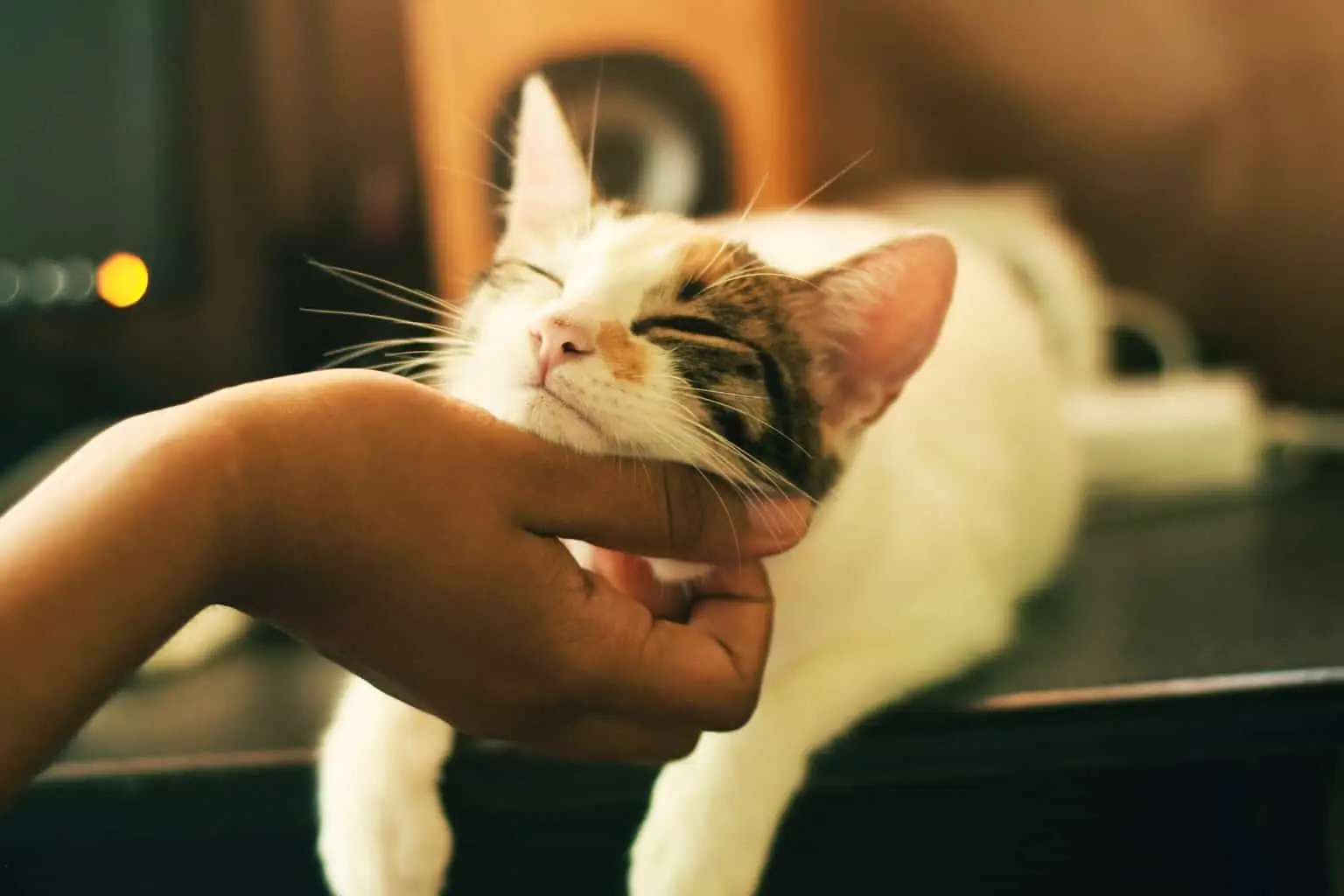
When you shift from “How do I hold my cat down?” to “How do I build trust?” everything changes.
Clipping nails becomes less about control and more about connection.
And connection is where harmony begins.
A Gentle Next Step
If you’re ready to support your cat beyond nail trims — with a calmer nervous system, better resilience, and whole-body balance — start with our simple checklist:
The Wise Pet-Parent’s 5-Point Checklist: Restore Your Pet’s Peace
It’s a grounded place to begin when you’re tired of guessing and want a clear, gentle path forward.