
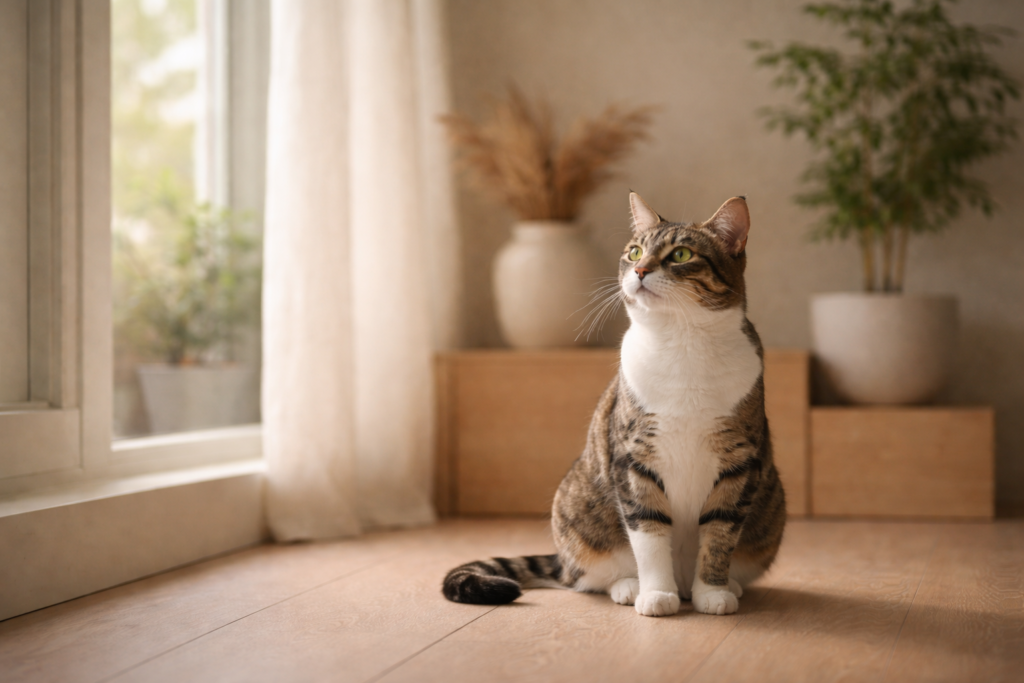
Why Is My Cat Acting Different All of a Sudden?
One of the most common concerns cat owners experience is noticing that their cat suddenly begins behaving differently.
Perhaps your cat has become unusually clingy. Maybe they are hiding more than usual, sleeping excessively, vocalizing frequently, or avoiding interaction altogether. When these changes appear suddenly, it can be unsettling and confusing.
Cats are remarkably consistent creatures. When their behavior shifts noticeably, it often signals that something in their world has changed — physically, emotionally, or environmentally.
Understanding these changes begins with looking at the bigger picture of feline wellness.
Cats Communicate Through Behavior
Cats do not communicate discomfort or imbalance the same way humans do. Instead, they express changes in their well-being through subtle shifts in behavior.
Because cats are highly sensitive animals, they often react quickly to changes in their bodies or surroundings. What may appear to be unusual or confusing behavior is often your cat’s way of communicating that something needs attention.
Sometimes the cause is simple. Other times the explanation requires stepping back and looking at your cat’s entire environment and lifestyle.
Common Reasons a Cat May Suddenly Act Different
1. Changes in the Environment
Cats are deeply connected to their surroundings. Even small changes in the home can affect their sense of security.
Examples include:
- Moving furniture
- New pets or people in the household
- Loud noises or construction
- Changes in routine
- Travel or absence of a family member
Because cats rely heavily on familiar territory and scent cues, environmental changes may cause temporary stress or behavioral shifts.
2. Physical Discomfort or Illness
Behavioral changes can also indicate that something physical is occurring. Cats instinctively hide signs of illness, so subtle behavioral shifts are often the earliest indicators.
Watch for signs such as:
- Changes in appetite
- Sleeping more than usual
- Withdrawing or hiding
- Unusual vocalization
- Avoiding touch
If symptoms persist or worsen, a closer, deeper look is necessary.
3. Stress and Emotional Sensitivity
Cats are emotionally perceptive animals. They often respond not only to changes in their physical environment but also to emotional tension within the home.
Many cat owners notice that their pets become more withdrawn, anxious, or attached during stressful periods in the household.
Animals frequently mirror the emotional atmosphere around them, responding to shifts that humans may not consciously recognize.
4. Nutritional Imbalance
Nutrition plays a significant role in behavioral stability.
Cats require specific nutrients to maintain healthy neurological and metabolic function. One particularly important nutrient is taurine, an amino acid essential for nervous system regulation, heart health, and metabolic balance.
Diets that rely heavily on processed ingredients may lack the moisture, nutrient density, and amino acid balance that cats require.
A species-appropriate diet based on high-quality animal proteins supports both physical health and emotional stability.
5. Environmental Toxin Exposure
Modern environments expose pets to a surprising number of chemical substances.
Common sources include:
- Scented cat litter
- Household cleaning chemicals
- Lawn treatments
- Air fresheners
- Artificial fragrances
Cats are particularly sensitive to chemical exposure due to their grooming habits and highly absorbent paw pads.
Reducing chemical exposure and supporting the body’s natural detoxification processes can help restore balance.
Supporting Your Cat’s Overall Wellness
When a cat begins acting differently, it can be helpful to review the foundational pillars of feline health.
These include:
- Species-appropriate nutrition
- Clean water and toxin-free environments
- Mental stimulation and enrichment
- Emotional security
- Strong immune function
When these foundations are consistently supported, cats are better able to maintain resilience and adapt to changes.
For additional foundational immune support, explore:
This blend supports resilience, balance, and the body’s natural ability to maintain wellness.
Observing the Bigger Picture
Behavioral changes rarely occur in isolation. They are often signals that something within the animal’s internal or external environment has shifted.
Taking time to observe patterns, routines, and recent changes can provide valuable clues about what your cat may be experiencing.
Sometimes the answer lies in physical health. Other times it relates to emotional stress, environmental factors, or nutritional needs.
A Helpful Place to Begin
If you’re unsure where to start, a structured overview of your pet’s health and environment can be extremely helpful.
The Wise Pet Parent’s Checklist
This guide walks through the key foundations of pet wellness and helps identify areas that may need attention.
If your pet’s behavior changes persist or you feel something deeper may be influencing their well-being, individualized guidance can often provide helpful insight.
Learn more about Private Pet Wellness Consultations
Final Thoughts
If your cat is acting different all of a sudden, it is rarely random.
Cats are highly aware creatures that respond quickly to changes in their bodies, their environment, and the emotional tone of their homes.
By observing carefully and supporting the foundations of feline health — nutrition, environment, emotional balance, and immune strength — you can often help restore the sense of stability your cat naturally seeks.
Sometimes our pets are simply asking us to look a little closer.