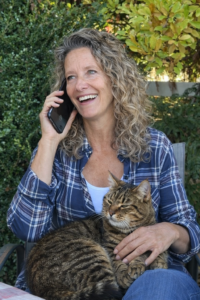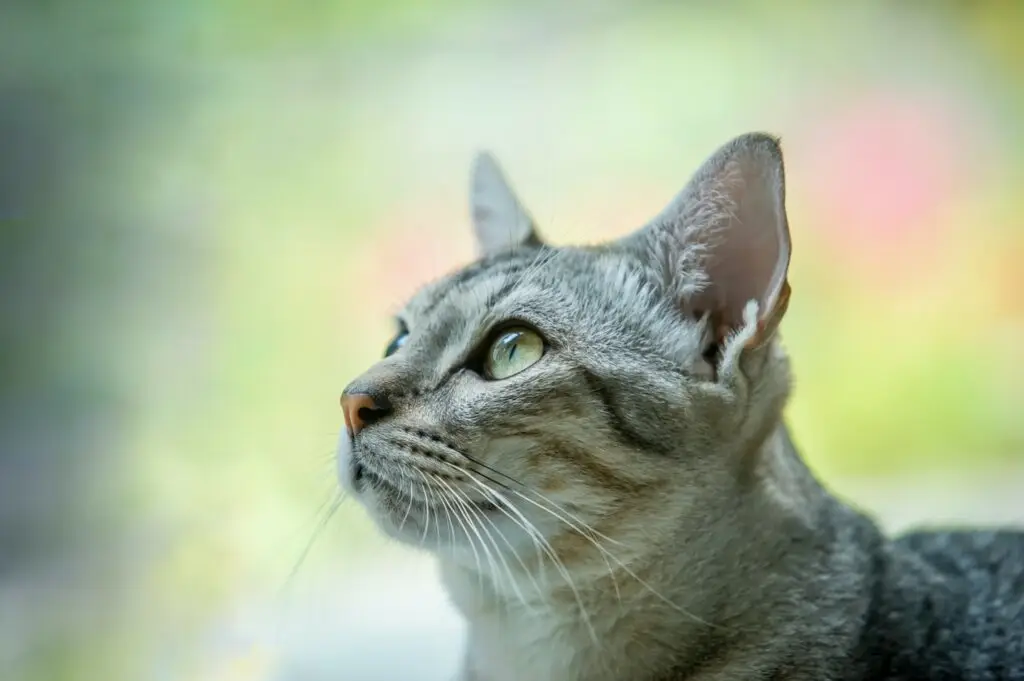
Many cat owners eventually ask the same question: “Why is my cat so clingy?”
The truth is that there isn’t just one answer.
Sometimes your cat is simply showing affection. Other times they may be communicating a need that hasn’t been met yet. Cats are constantly observing their environment and their people, and they use proximity as one of their main ways to communicate.
Being close to you can mean many things: comfort, trust, curiosity, or a request for something important.
The key is learning how to interpret what your cat may be trying to tell you.
What Does “Clingy” Really Mean?
The word “clingy” is often used when a cat follows us from room to room, vocalizes frequently, or insists on sitting close to us.
But from your cat’s perspective, staying near you is often a sign of bonding and trust.
Many behaviors labeled as “clingy” may actually reflect:
- Affection and attachment
- Curiosity
- Seeking comfort or reassurance
- Communication of a physical or emotional need
- A strong social bond with their human
Cats are individuals with unique personalities. Some naturally enjoy more companionship than others.
Your Cat May Simply Need Something
If your cat suddenly becomes more attached than usual, it may be helpful to think like a detective.
Cats communicate through behavior. If they are staying unusually close, they may be signaling that something in their environment or body needs attention.
Common needs include:
- Hunger or nutritional imbalance
- Desire for play and stimulation
- Changes in routine or environment
- Stress or insecurity
- Physical discomfort or illness
Rather than seeing clinginess as a problem, it can be helpful to view it as communication.
Understanding Your Cat’s Basic Needs
All animals share several fundamental needs that influence behavior.
For cats, these include:
- Food, water, sleep, and shelter
- A predictable and safe territory
- Connection and bonding
- Mental stimulation and enrichment
- Freedom to express natural behaviors
When these needs are consistently met, cats tend to feel more secure and relaxed.
Environmental Enrichment Matters
Indoor cats benefit tremendously from environments that stimulate their natural instincts.
Cats evolved as curious explorers and hunters. Without outlets for these instincts, they may become bored, frustrated, or overly dependent on their human companions for stimulation.
Providing enrichment can include:
- Interactive play sessions
- Climbing structures or cat trees
- Scratching posts
- Puzzle feeders
- Access to safe outdoor views or a catio
A catio or protected outdoor enclosure can be especially beneficial because it allows cats to experience fresh air, natural scents, and wildlife observation without the dangers of free roaming.
Why Some Cats Become More Vocal and Attached
Cats communicate through body language, scent, and vocalization.
When your cat meows frequently while following you, they are often directing communication specifically toward you.
Some cats are naturally more vocal than others, but increased vocalization may signal:
- Desire for attention
- Hunger
- Environmental stress
- Loneliness
- Curiosity or excitement
Observing patterns in timing and behavior can help identify what your cat is requesting.
Nutrition and Emotional Stability
Nutrition plays a larger role in feline behavior than many people realize.
Cats are obligate carnivores and require specific nutrients for healthy neurological and metabolic function.
One essential nutrient is taurine, an amino acid required for nervous system stability, heart health, and proper metabolic processes.
Highly processed diets often lack optimal nutrient levels and natural moisture content, which can contribute to subtle imbalances over time.
A species-appropriate diet based on high-quality animal proteins helps support calm behavior and physical resilience.
For foundational immune and vitality support, explore:
This blend supports overall resilience, balance, and long-term vitality.
Changes in Routine Can Increase Attachment
Cats are highly sensitive to environmental changes.
Events that may increase clingy behavior include:
- Moving to a new home
- Changes in household members
- New pets
- Schedule disruptions
- Recent veterinary visits
During times of change, cats often seek reassurance from the person they trust most.
Nighttime Activity and Clingy Behavior
Cats are naturally crepuscular, meaning they are most active at dawn and dusk.
If your cat becomes affectionate or energetic at night, it may simply reflect their natural rhythm.
Many cats eventually adapt to their household’s schedule, but they may still look for companionship during their active periods.
Assessing Your Cat’s Needs
If your cat suddenly becomes unusually clingy, take a moment to review the basics:
- Have there been recent changes in the household?
- Is your cat eating and drinking normally?
- Is the environment clean, safe, and predictable?
- Does your cat have adequate play and stimulation?
- Are litter boxes clean and accessible?
Often, addressing small environmental or nutritional adjustments can restore balance quickly.
A Helpful Place to Start
If you’re evaluating your cat’s health, environment, and overall well-being, begin with a structured overview of the key foundations of pet wellness.
The Wise Pet Parent’s Checklist
This simple guide helps you assess the most important factors influencing your pet’s long-term health.
Final Thoughts
When asking “Why is my cat so clingy?” the answer often lies in understanding your cat’s needs more deeply.
Cats are perceptive, emotionally aware animals who rely on their humans for security, nourishment, and companionship.
Sometimes they are asking for help. Sometimes they simply want to be close to someone they trust.
And sometimes, your cat may just really love you.