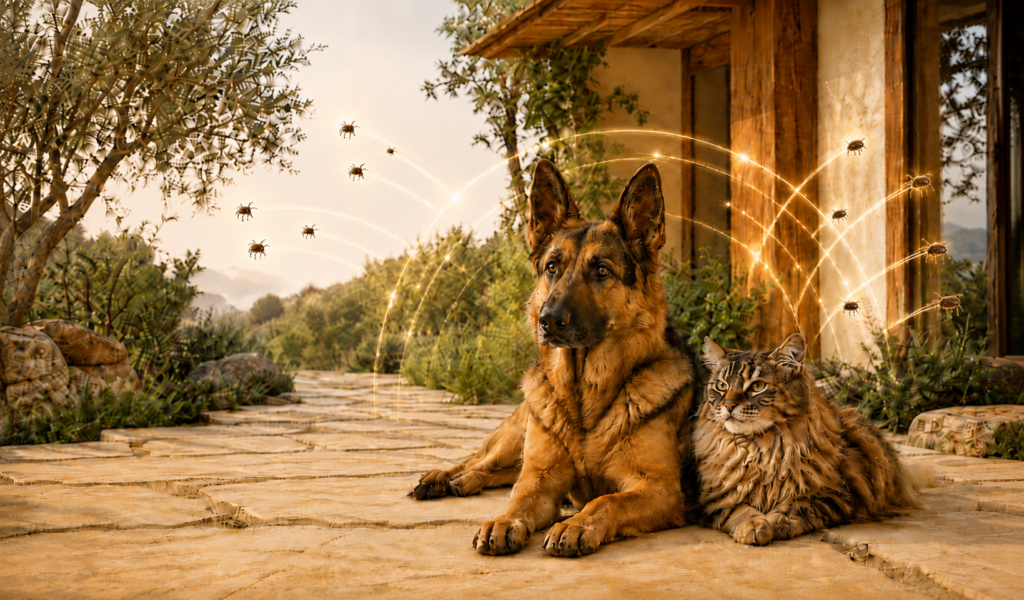
If you have ever found fleas on your dog, cat, or horse, you know how quickly the mind goes into problem-solving mode. You want relief. You want the itching to stop. You want your home, yard, and animal to feel clean and comfortable again. But natural flea prevention for pets is not only about what you spray, sprinkle, or apply after fleas appear. From a holistic perspective, the deeper question is: why are some animals more attractive to fleas, ticks, mosquitoes, and other insects in the first place?
This is where the conversation has to begin with the animal’s internal terrain. Fleas do not choose their host randomly. In holistic pet care, we look at the whole animal: immune strength, gut balance, skin health, diet, detox pathways, environmental exposure, stress load, and energetic vitality. A strong, balanced animal is simply not the same kind of host as an animal whose immune system, gut microbiome, skin barrier, or internal elimination pathways are struggling.
That does not mean a healthy pet can never get fleas. They can. But when the internal terrain is strong, the attraction often decreases, the body is more resilient, and the overall flea burden is easier to manage naturally.
Fleas can come from many places, including:
From a conventional view, flea prevention often focuses on interrupting the flea life cycle through topical chemicals, oral medications, collars, sprays, environmental treatment, or bathing. These methods may reduce flea numbers, but they do not necessarily strengthen the animal. They address the pest, but not the terrain.
From a holistic view, fleas are a sign to examine both the animal and the environment. What is the diet like? Is the gut microbiome balanced? Is the immune system strong? Is the skin healthy? Are detox pathways open? Is the animal under stress? Are there chemicals in the home or yard contributing to toxic burden? Is the animal’s vitality strong enough to naturally repel what does not belong?
This is not about blame. It is about awareness. Fleas can become a doorway into a better understanding of your pet’s whole-body health.
The first line of defense against fleas, ticks, mosquitoes, and other insects is a healthy immune system and a balanced gut microbiome. This point cannot be overstated.
A strong immune system helps the body respond appropriately to the outside world. A balanced gut microbiome supports digestion, nutrient absorption, skin health, detoxification, and immune regulation. Since a large portion of immune activity is connected to the gut, an imbalanced microbiome can influence the entire animal.
When the gut is out of balance, the body may become more inflammatory, more reactive, and more burdened. Skin quality may decline. Odor may increase. The coat may become dull. The animal may become more appealing to parasites and insects because the body’s natural protective field is weakened.
A biologically appropriate diet is one of the most important ways to support this foundation. Dogs, cats, and horses each have species-specific dietary needs. Highly processed food, synthetic additives, unnecessary fillers, poor-quality proteins, excess starches, and low-moisture diets can contribute to internal imbalance over time.
A healthier internal foundation may support:
A pet who is nourished properly has a better chance of maintaining healthy skin, a stronger coat, more stable digestion, and a more resilient immune response. That does not make diet a magic flea shield, but it does make the animal’s internal terrain less hospitable to ongoing imbalance.
This is why the Happy Tails Foundational Protocol is such an important consideration for pets with recurring skin, immune, detox, or vitality patterns. Fleas may be the visible issue, but the deeper question is often whether the animal needs structured support for detoxification, restoration, and long-term balance.
The gut microbiome is not just a digestion issue. It affects the skin, coat, scent, immune system, inflammation levels, and overall vitality of the animal. When the microbiome is balanced, the animal’s body functions with more coherence. When it is disturbed, the body may begin expressing imbalance through odor, itching, skin irritation, yeast tendencies, dull coat, digestive upset, or recurring sensitivities.
Fleas and other insects are often attracted to vulnerability. Animals with poor skin health, stronger body odor, compromised immune function, or chronic inflammation may be more appealing hosts. This is why two pets can live in the same home, walk through the same yard, and have very different flea experiences.
One animal may seem barely affected. Another may become overwhelmed quickly. That difference often points to terrain.
Supporting the microbiome begins with food. A biologically appropriate diet helps the gut maintain healthier microbial balance. Fresh, clean food supports vitality in a way that dry, heavily processed food often cannot. Clean water matters too. So does reducing unnecessary chemical exposure, because the liver, kidneys, lymph, skin, and gut all participate in clearing the body’s burden.
If fleas keep returning, ask deeper questions such as:
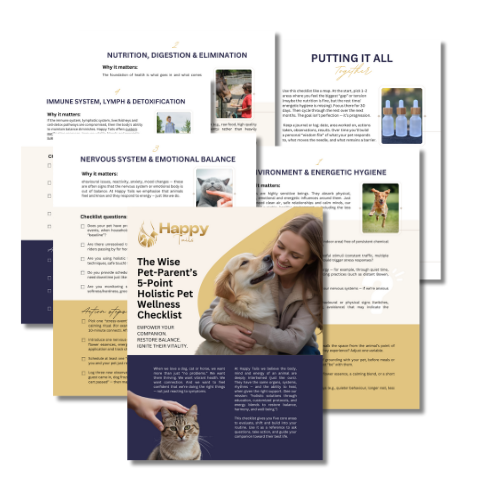
For pet parents who feel overwhelmed and are not sure where to begin, the Wise Pet-Parent’s 5-Point Holistic Pet Wellness Checklist is a gentle starting point. It helps you look beyond one symptom and begin assessing the larger foundations that influence your pet’s health.
Once the internal foundation is addressed, natural flea and tick support can be layered in from the outside. The goal is not to attack the animal’s system with harsh chemicals. The goal is to make the animal and environment less attractive to fleas while supporting the body’s own strength.
Some holistic pet parents use small amounts of garlic powder sprinkled over food as part of a flea-repelling routine. This is a traditional natural approach. Garlic is not appropriate in large amounts, and cats are especially sensitive. If used, it should be species-appropriate, conservative, and guided by someone knowledgeable in holistic animal care. More is not better.
DIY Essential Oil Repellent Spray is another natural option many pet parents consider for fleas, ticks, and mosquitoes. These flea and tick sprays are plant-powered and made with natural essential oils. You can make your own here
Food-grade diatomaceous earth may also be used in the environment to help reduce fleas in bedding areas, carpets, cracks, barn spaces, and outdoor areas. Use only food-grade diatomaceous earth, never pool-grade. It is a fine powder, so avoid inhalation and keep it away from the eyes, nose, and lungs of both people and animals. If used directly on an animal, it should be used sparingly and carefully, and many sensitive pets will do better with environmental use rather than body application.
Natural support may include:
For dog parents who want a simple topical option before walks, hikes, yard time, or seasonal outdoor exposure, you can also make a DIY Essential Oil Flea & Tick Repellent Spray for Dogs. This type of spray can be helpful as one layer of prevention, especially when paired with deeper inside-out support for your dog’s immune system, skin, gut, and overall terrain.
Natural does not mean careless. Natural tools still need discernment.
Chemical flea and tick topicals are commonly used because they are convenient. Apply the product, wait for it to work, and move on. For many pet parents, this feels like the simplest option.
But convenience does not always equal wellness.
Topical flea and tick products are placed directly on the skin, where chemicals are absorbed directly into the body. The skin is not a wall. It is a living organ connected to the bloodstream, lymphatic system, immune system, nervous system, and detox pathways. When chemicals are applied repeatedly over time, the body must process that burden.
From a holistic perspective, this matters. The liver and kidneys are asked to filter what comes in. The lymphatic system has to move waste. The immune system must interpret and respond. The skin may become irritated or reactive. Sensitive animals may show changes in behavior, energy, digestion, or skin after chemical exposure.
This does not mean every animal will show an immediate reaction. Some burdens accumulate quietly. But if your goal is long-term vitality, repeated chemical exposure should not be treated as insignificant.
For animals already dealing with issues such as itching, digestive stress, emotional sensitivity, senior weakness, chronic inflammation, or detox burden, harsh topical chemicals may add more stress to a system that is already working hard.
This is why Happy Tails emphasizes supporting the whole animal first. The stronger the terrain, the less you need to rely on forceful interventions.
When fleas are already present, you need a practical plan. Holistic does not mean passive. It means you address the animal and the environment without forgetting the deeper terrain.
A natural flea response may include:
The environment is key because fleas do not live only on the animal. Eggs, larvae, and pupae can be in bedding, cracks, flooring, rugs, furniture, and outdoor resting areas. If you only treat the animal but ignore the environment, fleas may continue cycling.
For horses, barn areas, bedding, turnout zones, grooming tools, blankets, and shared spaces need attention. For cats, bedding, favorite sleeping spots, cat trees, rugs, and window perches matter. For dogs, check crates, beds, couches, car blankets, and outdoor lounging areas.
The goal is to reduce the flea cycle while strengthening the animal from within.
True natural flea prevention for pets is not one thing. It is a layered approach that supports the animal’s inner and outer world.
Begin with the health of the animal. A biologically appropriate diet, clean water, strong immune support, a balanced gut microbiome, and open detox pathways form the foundation. Without that foundation, flea prevention becomes a constant external battle.
Then reduce environmental burden. Avoid chemical lawn treatments, synthetic fragrances, harsh cleaners, and unnecessary pesticides whenever possible. These exposures can add stress to the body and weaken the very systems you are trying to strengthen.
Next, using natural repellents thoughtfully, food-grade diatomaceous earth, careful environmental cleaning, and practitioner-guided internal support, such as appropriate garlic use, may all be part of the larger plan.
A simple whole-animal flea prevention rhythm may look like this:
Finally, observe your animal. If fleas are recurring, ask what the pattern is showing you. Is the diet working? Is the immune system strong? Is there gut imbalance? Is the skin healthy? Is your pet carrying toxic burden? Are there environmental exposures that need to change?
If your pet is also showing itching, odor, skin changes, flare-ups, or unusual symptoms while you are supporting flea prevention, it may help to read Is It Detox or Something Else?. That post can help you look at symptoms with more clarity so you are not guessing whether the body is clearing, reacting, or asking for deeper support.
Fleas are not just a nuisance. They can be information. They invite you to strengthen the animal instead of only chasing the insect.
The best natural flea prevention begins with internal health. A strong immune system, balanced gut microbiome, biologically appropriate diet, clean water, and reduced chemical exposure make the animal less attractive to fleas and more resilient overall. Natural sprays, environmental cleaning, DIY repellent spray, and food-grade diatomaceous earth can be added as external support.
From a holistic perspective, yes. Gut health influences immune strength, skin quality, odor, inflammation, and overall vitality. A pet with a balanced microbiome and strong terrain may be less attractive to fleas, ticks, and other insects than an animal whose body is burdened or out of balance.
Some holistic pet parents use small amounts of garlic powder as part of flea support sprinkled into food. This acts as a repellent through the skin.
Only food-grade diatomaceous earth should be considered around pets. It can be useful in the environment, but the dust should not be inhaled and should be kept away from the eyes, nose, and lungs. Use carefully, especially around cats, sensitive animals, and animals with respiratory issues.
Chemical flea topicals can add burden because they are applied to the skin and are absorbed into the body. Some animals tolerate them better than others, but repeated chemical exposure can stress detox pathways over time. Holistic pet care favors strengthening the animal and using gentler approaches whenever possible.
Fleas can feel frustrating, but they are not only an external problem. They are also an invitation to look at the animal’s inner terrain.
A healthy immune system and balanced gut microbiome are your first line of defense. When the body is strong, nourished, clean, and supported, the animal becomes less attractive to fleas, ticks, mosquitoes, and other insects. When the terrain is weak, the body may need more support than another topical solution can provide.
You are not powerless. You can support your pet from the inside out. You can improve food, water, gut balance, immune strength, detox pathways, and environment. You can choose natural flea support that works with the body instead of adding unnecessary burden.
Happy Tails is here to help you look at the whole animal — body, mind, spirit, energy, environment, and relationship — so you can stop chasing symptoms and begin supporting deeper balance.
If you are unsure where to begin, start with the Wise Pet-Parent’s 5-Point Holistic Pet Wellness Checklist. It will help you look at the bigger picture behind your pet’s symptoms, sensitivities, and recurring patterns with more clarity and confidence.