

If your dog starts itching more, your cat has a loose stool, or your horse seems tired after beginning a new wellness routine, it can feel discouraging. You may wonder, “Is this working, or is something going wrong?” This is one of the most common questions pet parents ask when they begin supporting deeper balance. Pet detox symptoms can feel confusing at first because they may look like your animal is getting worse before they begin to look better.
But in holistic care, symptoms are not always random. Sometimes they are signs that the body is trying to clear what has been stored, suppressed, or carried for too long. That does not mean every flare is “normal,” and it does not mean every symptom should be dismissed as detox. It means we need to understand detox gently, wisely, and in partnership with the animal’s body rather than forcing the process.
At Happy Tails, detox is not approached as a harsh cleanse or a quick fix. It is part of a whole-body wellness path that supports the physical body, emotional field, nervous system, and energetic balance of the animal. The goal is not to push the body harder. The goal is to help the body remember how to release, regulate, and restore itself safely.
Pet detox symptoms are temporary changes that may appear when the body begins moving stored waste, stress, inflammatory burden, or energetic congestion through the elimination pathways. These pathways are not only physical. They include the body, the nervous system, the emotional field, and the energetic body.
These pathways include:
In a healthy, balanced animal, the body is always clearing. Detox is not something that only happens during a special protocol. It is a natural daily function. The body takes in food, water, air, emotion, environmental exposure, stress, medications, vaccines, chemicals, and energetic information. Then it must sort, use, neutralize, release, or store what it cannot process right away.
When the body becomes overwhelmed, symptoms can begin to show up. These may include:
A gentle detox process may bring some of those patterns to the surface temporarily as the body begins to move them out. This is why detox should never be viewed as simply “getting toxins out.” It is more layered than that. True detox support helps the body clear burden while also protecting stability, hydration, nervous system regulation, and emotional comfort.
For pet parents who want to understand this first phase with more clarity, Detox & Purify Wellness Guidance can be a helpful place to begin. It supports the idea that detox is not a random cleanse, but a thoughtful first step in a larger wellness journey.
When pet detox symptoms appear, many owners understandably panic. They were hoping for immediate improvement, not a flare. But the body often heals in layers. What has been pushed down, stored, or compensated for may need to move through before the animal feels clearer.
Think of a closet that has been packed full for years. From the outside, the room may look tidy. But once you open the door and start cleaning, everything looks messier for a while. Boxes come out. Dust rises. Forgotten things appear. It may look worse before the space becomes truly organized.
The body can behave in a similar way.
As elimination pathways begin to open, you may notice:
This is especially important for sensitive animals, rescue animals, senior pets, or pets with a history of fear, grief, trauma, or long-term stress. Detox is not always only physical. As the body begins clearing, emotional material can surface too. You may notice clinginess, restlessness, sensitivity, old fear patterns, or a temporary need for more reassurance.
This is where Freedom Formula can be a beautiful detox support. Emotional burden is still burden. When the nervous system, emotional field, and physical body are supported together, the animal may move through clearing with more ease and less internal resistance.
One of the biggest mistakes in pet detox is going too fast. Many loving pet parents want quick results because they are tired of seeing their animal struggle. That urgency is understandable. But the body does not heal well under pressure.
A harsh detox can overwhelm the very pathways that are supposed to be clearing. If the liver, kidneys, lymphatic system, bowels, or skin are already burdened, pushing too much too quickly may create more discomfort. This is especially true for:
Gentle detox asks a different question. Instead of asking, “How fast can we clean this out?” it asks, “What does this animal need in order to release safely?”
That may mean:
Because liver, kidney, and lymphatic flow are so central to the clearing process, Pathway Purifier fits naturally into a gentle detox plan. It supports the body’s elimination pathways while respecting the need for rhythm, flow, and steady release.
With animals, gentleness is not weakness. Gentleness is wisdom. The goal is not to dominate the body into detoxing. The goal is to cooperate with the body’s own intelligence.
Pet detox symptoms vary depending on the animal, species, age, constitution, toxin load, diet, emotional history, and how long symptoms have been present. Dogs, cats, and horses may all express clearing differently.
Common mild detox responses may include:
These shifts should be watched carefully, but not automatically feared. Mild changes that pass quickly are different from patterns that continue, intensify, or do not show signs of movement. A gentle detox response is usually temporary. It may last 24 hours to a few days, or it may come and go intermittently as the body clears in layers.
The key is movement.
Detox often:
Your animal may have a mild clearing response and still seem brighter, calmer, more present, more comfortable, or more deeply rested afterward. This is a meaningful sign that the body is being addressed at a deeper level.
If the symptoms involve emotional sensitivity, clinginess, nervousness, restlessness, fear patterns, or old trauma surfacing, Freedom Formula can be considered as part of the detox support picture. Detox is not only about what leaves through the bowels, skin, kidneys, or lymph. Sometimes what is being released has been held in the nervous system and emotional field.
There is an important difference between a normal detox response and a separate issue that needs attention. This distinction matters because holistic pet parents should not be taught to fear detox — they should be taught to observe clearly.
A gentle detox response is usually mild, temporary, and moving. It may last 24 hours to a few days, or it may come and go intermittently as the body clears in layers. You may notice softer stool, mild itching, extra sleep, temporary odor, increased shedding, emotional sensitivity, or an old symptom briefly showing itself again.
The key is that detox has movement.
It rises, passes, softens, and is often interspersed with signs of improvement. Your pet may have a mild clearing response and still seem brighter in the eyes, calmer in the nervous system, more comfortable in the body, more present with you, or more settled after rest. This is one of the clearest signs that the body is being addressed at a deeper level.
A new or unaddressed pattern feels different. It does not move through. It continues, intensifies, or does not show those windows of improvement. The animal does not seem better underneath it. There is no sense of clearing, release, or increased vitality. Instead, the pattern feels stuck, escalating, or separate from the detox process.
A detox response often looks like:
A new or unaddressed pattern often looks like:
This is where guidance matters. A holistic practitioner can help you know when to slow down, hold steady, adjust support, or continue through a normal clearing phase. The goal is not to force detox faster, but it is also not to stop every time the body begins communicating. The goal is to read the body wisely.
For pet parents who are unsure how to interpret their animal’s patterns, a Happy Tails consultation can help bring clarity to the bigger picture. Sometimes what looks like one symptom is actually part of a larger pattern involving diet, detox pathways, emotional stress, environment, and energetic imbalance.
For sensitive pets, the pace may need to be slower. Some animals carry long-standing emotional stress, trauma, grief, fear, or energetic heaviness in the body. As physical detox begins, emotional material may surface too. That does not mean something has gone wrong. It may simply mean the body is releasing on more than one level.
In those moments, support the animal with:
Detox is not a race. It is a conversation with the body.
The more you learn to observe your pet’s patterns, the more confident you become as their primary health steward. You begin to recognize the difference between a mild detox response that is moving through and a separate issue that is asking for a different kind of attention.
That awareness is one of the most important parts of holistic pet care.
The most important part of detox is not the product. It is the support system around the animal. The body clears more gracefully when the basics are steady.
Start with clean water, moisture-rich food, and a species-appropriate diet whenever possible. Food is not separate from detox. Diet determines how much burden enters the body and how much nourishment the body has available for repair. Highly processed foods, synthetic additives, poor-quality ingredients, and chronic dietary stress can make detox harder.
Next, look at the home environment. Fragranced cleaners, plug-ins, scented candles, chemical lawn treatments, flea products, pesticides, and artificial fragrances can add to the body’s burden. A detox plan works best when exposure is reduced at the same time elimination is supported.
Movement also matters. Gentle walking, stretching, turnout, play, and appropriate activity help support lymphatic flow. The lymphatic system does not have a pump like the heart. It relies heavily on movement, breathing, hydration, and healthy tissue flow.
A gentle detox support plan may include:
For many animals, this is where Pathway Purifier and Freedom Formula can work beautifully together within a gentle plan: one supporting the clearing pathways of the body, the other supporting the emotional and energetic burden that may surface during detox.
Finally, do not underestimate emotional safety. Animals read our energy. A worried pet parent can unintentionally create more tension in the field. Your calm presence, steady routine, soft voice, and confidence help your animal feel safe while the body does its work.
This is the essence of holistic detox. It is not only liver, kidney, bowel, and skin. It is body, mind, spirit, energy, and relationship.
One of the reasons pet parents become overwhelmed is because they try to solve each symptom separately. The dog itches, so they look for an itch product. The cat has loose stool, so they look for digestion support. The horse seems tired, so they look for energy support. But the deeper question is often: why is the body expressing these symptoms in the first place?
When symptoms repeat, the body may be asking for a deeper sequence rather than a single product. This is where a protocol-based approach becomes so important.
The Happy Tails Foundational Protocol gives pet parents a structured path instead of leaving them to guess from symptom to symptom. It honors the order in which the body often needs support: first clearing, then restoring, then maintaining.
The three phases honor the order in which the body often needs support:
First, the body clears. Then it restores. Then it maintains.
This matters because if you try to rebuild before the pathways are open, the body may not be ready to receive deeper nourishment. But if you only detox and never restore, the animal may not have the strength, immune clarity, or energetic stability needed for long-term balance.
For pet parents who want to understand the detox phase before moving into a broader protocol, Detox & Purify Wellness Guidance can help clarify why this phase comes first and how to think about detox in a calm, steady, informed way.
Pet detox symptoms can be unsettling, but they can also be informative. They remind us that the body is not a machine. It is a living, responsive system. When we slow down enough to listen, support the pathways, reduce burden, and honor the animal’s pace, detox becomes less about fear and more about partnership.
Your pet is not just trying to “get rid of symptoms.” Their body is trying to return to balance. And when that process is supported gently, the result can be more than temporary relief. It can be a clearer, calmer, more vibrant animal — and a more confident pet parent walking beside them.
Common pet detox symptoms may include temporary itching, loose stool, stronger urine odor, watery eyes, fatigue, increased thirst, mild emotional sensitivity, or old symptoms briefly resurfacing. These symptoms are usually mild, temporary, and moving. Detox often comes and goes in short waves rather than staying constant.
Symptoms may appear to worsen when the body begins moving stored burden through the skin, bowels, kidneys, liver, lymphatic system, or emotional field. This can look like a flare before the system settles. The key distinction is whether the symptom moves through and is interspersed with signs of improvement.
Mild detox symptoms may last 24 hours to a few days. They may also be intermittent as the body clears in layers. A detox response usually has movement: it rises, softens, passes, and is often followed by signs of improved vitality, comfort, or emotional steadiness.
Yes. Dogs may show skin, ear, stool, or odor changes. Cats may show more subtle digestive, appetite, grooming, or emotional shifts. Horses may show changes in manure, coat, energy, stiffness, or behavior. Each species expresses clearing differently, which is why observation and proper pacing matter.
Yes. Freedom Formula can be helpful during detox when emotional sensitivity, fear, stress, grief, trauma patterns, or nervous system tension surface. Detox is not only physical. For some animals, emotional clearing is part of the deeper release process.
Not always. Mild symptoms may simply mean the body is processing. The better question is whether the symptom is moving or stuck. A holistic practitioner can help you decide whether to slow down, hold steady, adjust support, or continue through a normal clearing phase.
The safest way is to begin gently. Support hydration, improve diet, reduce environmental toxins, maintain calm routines, and choose detox support that respects the body’s pace. A structured wellness approach is usually wiser than aggressive cleansing or randomly choosing products.
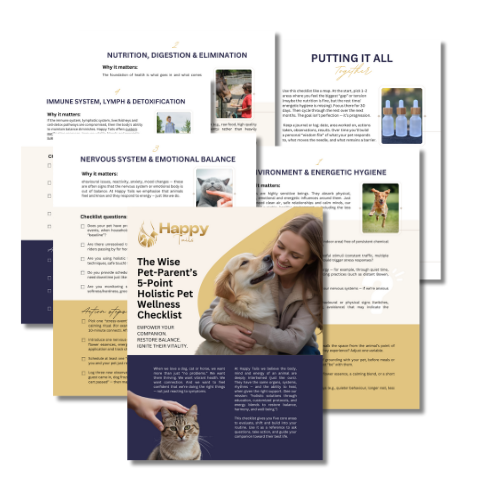
If your pet’s symptoms keep returning and you are tired of guessing, start with the Wise Pet-Parent’s 5-Point Holistic Pet Wellness Checklist. It will help you step back, look at the whole animal, and begin supporting body, mind, and spirit with more clarity.
Detox is not something to fear. It is something to understand.
When you learn to read your pet’s body with more awareness, you become less reactive and more confident. You begin to see the difference between a temporary clearing response and a deeper pattern asking for support. You begin to notice the quiet signs of improvement — brighter eyes, deeper rest, softer energy, easier elimination, more presence.
That is the heart of holistic pet care: not chasing symptoms, but learning to listen.
And when you listen well, your animal has a wiser, steadier guide walking beside them.